Five Films That Use Architecture as Story
Staircases, corridors and glass walls — five films where the buildings tell you as much as the dialogue.

Some films use their sets as backdrops. Others make the building a character, a structure that shapes who the people are and what they can do. Here are five that understand space as story.
1. Parasite (2019)
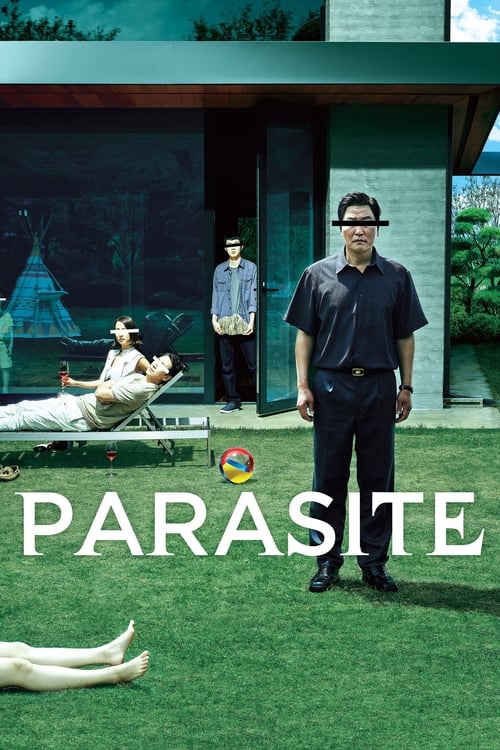
The most obvious modern example, and still the best. Bong Joon-ho’s film is organised entirely around height: who lives above, who lives below, and how much water flows downhill when it rains. Read our review.
2. In the Mood for Love (2000)
Wong Kar-wai’s cramped Hong Kong tenements push two people into constant, narrow proximity. The corridors make intimacy unavoidable and privacy impossible. Read our review.
3. Playtime (1967)
Jacques Tati built an entire glass-and-steel city for this film. People keep walking into reflections of the place they are trying to reach.
4. The Shining (1980)
The Overlook Hotel’s layout famously doesn’t add up. The impossible geography is part of the dread.
5. Columbus (2017)
Kogonada frames modernist buildings in Columbus, Indiana, with such care that the conversations between his two leads seem to grow out of the architecture around them.